
What Can Rat Ultrasound Fat-Reduction Studies Tell Us About People?
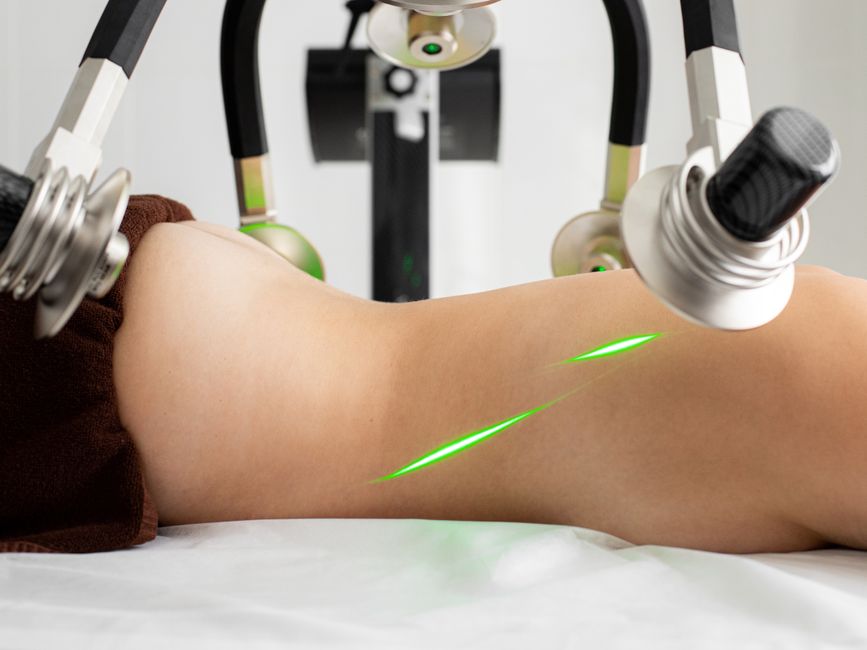
Rat studies show that low-intensity ultrasound can produce a short-term reduction in measured subcutaneous-fat thickness and can sharply change blood lipids immediately after treatment. They do not prove that consumer cavitation treatments permanently destroy fat cells, cause weight loss, or work safely the same way in people. Human evidence supports modest, device-specific contour changes for certain cleared focused-ultrasound systems, not a blanket promise for every ultrasound treatment.
How does low-intensity ultrasound reduce fat in rat studies?
In the rat experiment, low-intensity ultrasound reduced measured fat thickness after a single treatment. The study applied continuous, nonfocused 1 MHz ultrasound at 3.2 W/cm2 to the outer thigh of 11 male Sprague-Dawley rats for 30 minutes.
According to the Journal of Healthcare Engineering rat study, average subcutaneous-fat thickness fell by 0.5 +/- 0.2 mm immediately afterward, equal to 15.2% of baseline thickness. The reduction was still present at the three-day measurement. That is a real experimental signal. It is not a finished answer.
The response range matters. Individual reductions ran from 0.2 to 0.9 mm in this small group. Treat that range as the first reality check: one protocol did not produce one uniform outcome, even in animals of the same study design.
| What the rat study measured | What it found | What it cannot establish |
|---|---|---|
| Exposure | Nonfocused 1 MHz ultrasound at 3.2 W/cm2 for 30 minutes | The matching treatment plan for a person |
| Fat thickness | Average immediate reduction of 0.5 +/- 0.2 mm | Permanent fat loss or weight loss |
| Follow-up | Reduction remained at three days | Long-term durability |
| Blood measures | Immediate increases in triglycerides, HDL cholesterol, and total cholesterol | Long-term metabolic safety |
The proposed mechanism was sonoporation: ultrasound may increase adipocyte membrane permeability, allowing lipids to leave cells. Cavitation and heat are often discussed around ultrasound treatments, but the paper's key point is narrower. It proposed lipid release and altered membrane permeability; it did not demonstrate that every affected fat cell was destroyed.
Does ultrasound cavitation destroy fat cells or temporarily shrink them?
The low-intensity rat evidence supports a measured thickness change and a proposed lipid-release pathway, not a universal claim of permanent fat-cell destruction. That distinction is the whole decision point.
Immediately after treatment, the rat study reported increases of 89.4% in plasma triglycerides, 103.9% in HDL cholesterol, and 61.0% in total cholesterol. The authors explicitly warned that the long-term consequences of this blood-lipid surge required further study. A smaller fat layer on a scan is an outcome; where the released material goes and what happens later are separate questions.
Here is the clean comparison. Weak claim: “Ultrasound melts fat permanently.” Stronger claim: “This protocol was associated with a short-term reduction in measured fat thickness, while the proposed mechanism and long-term safety remain unsettled.” The second sentence gives you the evidence without borrowing certainty from a different device or study.
Human evidence does not settle the issue for all low-intensity devices either. A prospective study of 20 women treated with low-frequency, low-intensity ultrasound reported reductions after five sessions in waist, abdominal, and umbilical circumferences of 1.5 cm, 2.1 cm, and 1.9 cm, respectively. But the human low-intensity ultrasound study found no significant changes in free fatty acids, insulin, liver enzymes, or lipid profile, and called for further research on effectiveness and glucose metabolism.
Can results from rat fat-reduction studies be applied to people?
No. Rat findings can generate a mechanism to test in people, but they cannot serve as the clinical answer for a cosmetic treatment.
The gap starts with the protocol. The rat study used nonfocused 1 MHz ultrasound at approximately 3 W/cm2 on a thigh. The FDA-cleared UltraShape system uses focused ultrasound for noninvasive reduction of abdominal circumference through disruption of subcutaneous adipose tissue. In its clinical evaluation, 102 people received three treatments two weeks apart and were followed through 12 weeks after the last treatment; mean midline abdominal circumference fell 2.37 cm at final follow-up, while average weight changed by less than 1%.
That record, described in the FDA UltraShape 510(k) summary, supports one prescription device, one intended area, and one treatment plan. It does not transfer approval, safety, or expected results to a salon machine, a home device, or a differently dosed treatment.
The same rule applies to HIFU. In a randomized sham-controlled study, adults receiving 177 J/cm2 of high-intensity focused ultrasound had a 2.44 cm greater waist-circumference reduction than sham at 12 weeks. The 141 J/cm2 group did not reach significance versus sham in the intent-to-treat analysis. HIFU is not simply a stronger version of the rat protocol: it works through focused energy and tissue heating that can induce rapid cell necrosis.
The 24-week HIFU safety study reported no clinically meaningful changes in lipid panels, inflammatory markers, or renal or hepatic function for its protocol. That is useful human evidence. It does not erase the rat lipid findings, because different device designs, energy exposures, treatment areas, and populations can produce different outcomes.
What should a realistic treatment claim sound like?
A realistic claim is localized and specific: a named, legally marketed device may reduce circumference in its cleared treatment area. A vague claim is broad and costly: “ultrasound removes fat” leaves out device type, treatment count, durability, risks, and the difference between contour change and weight loss.
The FDA's body-contouring guidance is direct: non-invasive body contouring does not treat obesity, produce weight loss, or provide the health benefits associated with weight loss. It also says results may be temporary and recommends asking how many treatments are required, how long effects last, and whether maintenance is needed.
Use the Claim-to-Protocol check before accepting a marketing promise: “Which device is this? Which body site is it intended for? What exact human study matches this treatment plan? What was measured: circumference, fat thickness, or body weight? What risks and follow-up period were reported?” Those questions reduce the cognitive load created by broad labels such as “cavitation.”
FDA lists possible ultrasound-related complications including pain or discomfort, redness, swelling, blisters, burns, and nerve damage. That does not mean every treatment causes these effects. It means safety is not a slogan; it is tied to the specific technology, body site, energy setting, and intended use.
Frequently Asked Questions
What is the difference between low-intensity ultrasound and HIFU body contouring?
Low-intensity, nonfocused ultrasound uses a different exposure pattern and proposed mechanism from HIFU. The rat study used continuous nonfocused 1 MHz ultrasound at 3.2 W/cm2, while HIFU concentrates energy and can raise tissue temperature enough to induce rapid fat-cell necrosis. Results from a HIFU trial therefore do not automatically validate low-intensity cavitation treatments.
Does released fat enter the bloodstream after ultrasound treatment?
The rat study found immediate increases in plasma triglycerides, HDL cholesterol, and total cholesterol after treatment, which is consistent with lipid movement or release. But a human low-intensity ultrasound study did not find significant changes in free fatty acids or lipid profile after five sessions. The sources do not establish a single universal blood-lipid response across devices, doses, or people.
Are ultrasound fat-reduction devices safe and effective?
Some legally marketed devices have evidence for their specific intended body sites and protocols, including modest localized circumference reductions in human studies. FDA says results can be temporary and lists possible complications such as pain, redness, swelling, blisters, burns, and nerve damage. Ask which exact device is being used, whether it is legally marketed for the treatment area, how many sessions are needed, and what follow-up evidence supports the claim.
Sources
- Journal of Healthcare Engineering: Low-Intensity Ultrasound and Subcutaneous Fat in Rats
- U.S. Food and Drug Administration: Non-Invasive Body Contouring Technologies
- U.S. Food and Drug Administration: UltraShape System 510(k) Summary
- Aesthetic Plastic Surgery: Low-Intensity Ultrasound Human Study
- Aesthetic Surgery Journal: Randomized Sham-Controlled HIFU Trial
- Aesthetic Surgery Journal: 24-Week HIFU Safety Study
Keep reading

Should I Study Aerospace Engineering or a Related Major?
Compare aerospace, mechanical, electrical, and computer engineering routes into aerospace and space-industry careers.
How Do Water Particles Move Beneath Ocean Waves?
See why ocean water moves in loops beneath waves, how those paths change with depth, and why waves steepen and break near shore.