
Videographer Agency or Freelancer: Choose the Right Fit
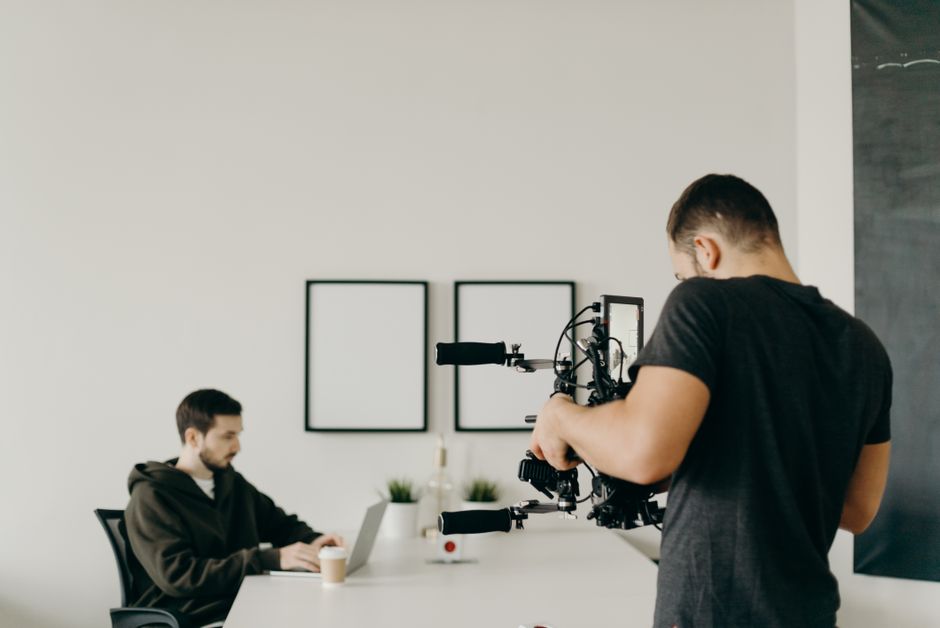
A videographer agency is the better fit when a project needs several specialists, coordinated production, or backup coverage; an independent videographer can suit a tightly scoped shoot with one main deliverable. Compare proposals by deliverables, schedule, revision limits, fees, licensing, and raw-footage rights. Published price examples vary by market and scope, so use them as context, not as a US quote.
What does a videographer agency do?
A videographer agency plans and produces video, often coordinating the people and tasks needed from the initial brief through delivery. The work can include shaping the creative approach, preparing a shoot, filming, editing, and delivering agreed versions.
The production workflow described in the Belgian Association of Communication Companies production guide moves through briefing and pitch, pre-production, shooting, post-production, delivery, and campaign launch. Pre-production can include booking crew and equipment, scouting locations, casting, planning props and sets, and holding a production meeting. Post-production can include editing, visual and audio effects, color grading, sound design, voice-over, and music.
That sequence is a useful way to test a proposal. Ask who owns each step and what you need to provide. A firm that promises filming and a finished video without saying who handles planning, permissions, or edits leaves important work undefined.
How is a videographer agency different from hiring a freelance videographer?
A videographer agency generally offers a coordinated team and broader production capacity; a freelancer is an independent practitioner who may handle multiple parts of the job directly. The right comparison is responsibility by responsibility, not company size alone.
The U.S. Bureau of Labor Statistics says videographers may run their own businesses or freelance, and may submit bids, write contracts, and obtain location permissions. In 2025, 35% of camera operators and 35% of film and video editors were self-employed. Independent work is therefore a substantial part of the field, not an unusual arrangement.
An agency can be useful when a project needs distinct roles, a larger crew, or continuity if a team member becomes unavailable. A freelancer can be a practical match when the scope is narrow and one person can provide the agreed work. The provided sources do not establish a general reliability ranking or standard backup policy, so ask each bidder who covers illness, equipment failure, and schedule disruption.
Published prices can help frame the trade-off, with limits. A Japan Institute for Social Value and Policy Research guide gives a 3–5 minute company introduction video range of ¥300,000–¥800,000 for a freelancer, ¥800,000–¥2,000,000 for a small-to-mid production company, and ¥2,000,000–¥5,000,000 for a major production company. These are Japanese-market figures, not US prices. The BLS median annual wages for camera operators and film and video editors are employee wage benchmarks, not client project rates.
| Option | Who it suits | Cost reference | Key limitation |
|---|---|---|---|
| Freelance videographer | A tightly scoped project; the guide lists freelancer pricing for company, product, and social videos | Japan guide: ¥300,000–¥800,000 for a 3–5 minute company video | Backup coverage: not published |
| Small-to-mid production company | A project seeking a production-company team | Japan guide: ¥800,000–¥2,000,000 for a 3–5 minute company video | Backup coverage: not published |
| Major production company | A project seeking a major production company | Japan guide: ¥2,000,000–¥5,000,000 for a 3–5 minute company video | Backup coverage: not published |
Is a videographer agency worth the extra cost for a small business?
A videographer agency is worth the extra cost when its added planning, specialist roles, or production capacity solve a real need in the project. If the deliverable is simple and one videographer can meet the brief, the agency’s additional structure may not add enough value to justify its price.
Compare proposals on the work included, not only the total. The Japan Institute for Social Value and Policy Research lists separate ranges for different formats: for a 30-second to one-minute social video, ¥50,000–¥200,000 for a freelancer and ¥200,000–¥800,000 for a small-to-mid production company. The guide says estimates vary with shoot days, talent, visual effects, animation, narration, location, and additional revisions or versions. Those figures describe the Japanese market and should not be treated as a US quote.
Request an itemized bid and look for the costs behind each deliverable: production labor, equipment, location, talent, editing, and any additional versions. The Bureau of Labor Statistics reports May 2025 median annual wages of $74,990 for camera operators and $75,420 for film and video editors. Those figures describe employee wages; they do not calculate a project fee or establish what a client should pay.
A business can use a freelancer when one point of contact and a bounded scope meet its needs. An agency earns its place when the proposal names the specific people, process, and coverage the project requires.
What services should a videographer agency include?
A videographer agency proposal should state the work from brief to delivery and define the finished files, schedule, fees, revisions, and rights. A list of services is not enough unless it says what the client will receive and what changes the price or timeline.
The Association of Independent Commercial Producers (AICP) says a bid or statement of work should map out how a job will be executed and identify deliverables and contractual points, including intellectual-property ownership. It can document creative and technical expectations, approved scripts, and a calendar. Under a firm-bid model, the accepted proposal becomes the contract price unless specifications change; changes to schedule, direction, method, or workload can trigger change orders or overages.
Use the proposal review to resolve these points before booking:
- Deliverables: List each final video, length, format, aspect ratio, and any cutdowns or alternate versions.
- Schedule: Record key dates for brief approval, pre-production, filming, review, revisions, and delivery.
- Fees and changes: Separate the contract price or license fee from professional fees, and identify what triggers an overage or change order.
- Revisions: State how many rounds are included, who consolidates feedback, and how extra edits are charged.
- Materials and permissions: Assign responsibility for scripts, brand assets, locations, talent, and location permissions.
- Rights and footage: Define ownership or license terms for the final video, raw footage, and footage not used in the edit.
- Payment: Set amounts and due dates. AICP gives an example for digital projects expected to finish within 120 days: 75% at signing and 25% at delivery; it is an example, not a universal payment rule.
Rights deserve a separate line in the agreement. The U.S. Copyright Office says copyright ordinarily begins with the creator, while work made for hire is an exception. A commissioned audiovisual work can qualify only when it meets an eligible category and the parties expressly agree in a signed written instrument; if those requirements fail, it is not work made for hire. AICP also distinguishes work-for-hire terms, which it describes as giving the client ownership including unused footage, from licensed-rights terms, where the producer retains rights and grants defined usage. Put the intended arrangement in the contract rather than assuming payment settles ownership.
The workflow and scope matter together. A guide from the Belgian Association of Communication Companies gives an example schedule of roughly three weeks for pre-production, one to five days for shooting, and about three weeks for post-production, with longer timelines for extensive visual effects or music clearance. Use that as a planning example, not a promised timeline; the project brief and agreed deliverables should set the actual calendar.
Frequently Asked Questions
How much does it cost to hire a videographer agency?
There is no single price in the provided sources for a US videographer agency. A Japan-based guide lists ranges by project type and provider, but says scope factors such as shoot days, talent, effects, narration, location, and revisions affect estimates. Request an itemized proposal for your own project.
What should I ask an agency before booking a video shoot?
Ask what final versions and formats are included, who handles pre-production, how many revisions are covered, and what changes trigger extra fees. Confirm the schedule, payment milestones, permissions, and who supplies locations, talent, and materials. Ask how the contract defines copyright, usage rights, and access to unused footage.
Who owns the footage and final video after the agency delivers it?
Ownership depends on the contract and applicable copyright rules; commissioning a video does not alone settle the question. The Copyright Office describes work made for hire as a limited legal exception requiring specific conditions, including a signed written agreement for eligible commissioned audiovisual works. State in writing whether the client receives ownership or a defined license, and whether the terms include raw and unused footage.
Sources
- U.S. Bureau of Labor Statistics
- Association of Independent Commercial Producers, National Guidelines for Digital Production
- United States Copyright Office, Works Made for Hire
- Association of Independent Commercial Producers, New Media Agreements Riders FAQ
- Belgian Association of Communication Companies, Production Guide
- Japan Institute for Social Value and Policy Research, Video Production Ordering Guide
Keep reading

How Do I Choose the Right Lawyer and Make the First Consultation Count?
Prepare for a first lawyer consultation, compare legal specialties and fees, and spot deadlines that need fast attention.

Choose the Right Alaska Tour for Your First Visit
Compare Alaska cruise tours, escorted land tours, and independent trips by access, logistics, and time needed for a first visit.

How Do I Secure Creator Video Rights for Paid Social Campaigns?
A plain-English guide to creator paid usage rights, TikTok Spark Ads, allowlisting, contracts, and endorsement disclosures.
Why Did My TikTok Ads Convert for a Week and Then Stop?
Diagnose declining TikTok ad results by separating creative fatigue, audience saturation, landing-page friction, and tracking gaps.