
How Do I Secure Creator Video Rights for Paid Social Campaigns?
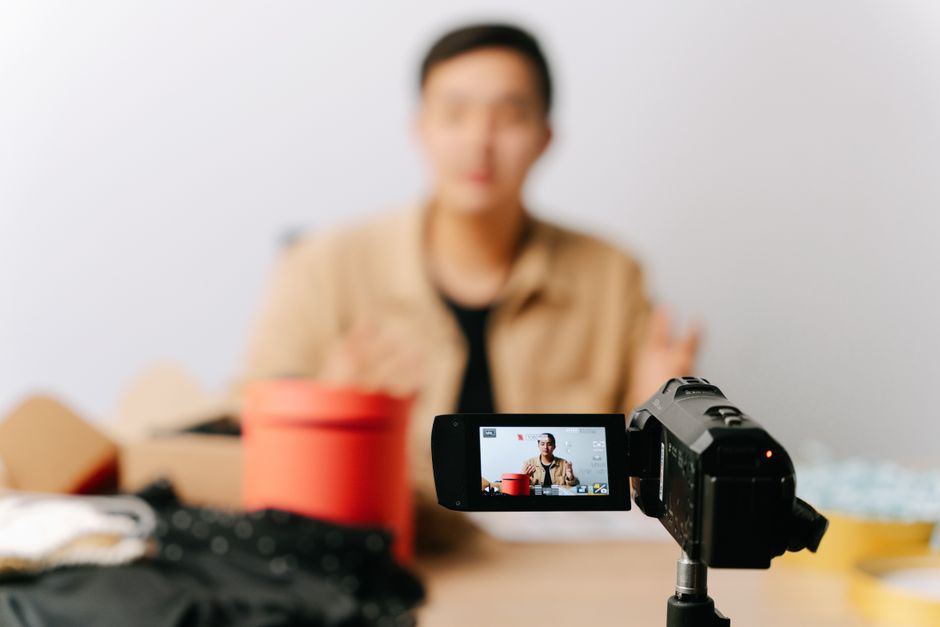
Paying a creator to make a video does not, on its own, give a brand the right to run that video as a paid ad. Put the paid-use license in writing, define its scope, and obtain separate platform authorization when the campaign will run from the creator's TikTok account through Spark Ads or creator-account allowlisting.
One permission is not three permissions. A content license governs use of the work. A platform approval governs access to a creator identity or post. Disclosure rules govern how a paid endorsement appears to viewers.
| Campaign route | What the brand needs | Where the ad appears |
|---|---|---|
| Brand-account paid ad or dark post | A written license covering paid use on the named platform | From a brand-controlled advertising identity |
| TikTok Spark Ad | A written content license plus a post authorization code applied to the ad account | From the authorized creator post |
| Creator-account allowlisting | A written content license plus the platform's approved account or identity authorization path | Through the creator-related identity approved on the platform |
Can I use a creator's UGC video in paid ads after paying for the video?
No. Payment for production does not automatically transfer copyright or create paid-ad rights.
The U.S. Copyright Office says the person who creates a work ordinarily is its author. A commissioned audiovisual work can qualify as a work made for hire only when statutory conditions are met, including an express written agreement signed by all parties. Payment alone is not that agreement.
Most campaigns do not need ownership. They need a license. The license should identify the exact delivered video and state that the brand may use it in paid social advertising. Name each platform, the territory, the start and end date, and whether the brand may use the content through its own ad account.
Scope is the whole bargain. A license for organic reposting is not a license for paid distribution. A license for one platform is not a license for every platform. A right to display a video is not plainly a right to alter it.
The Copyright Office's permission guidance calls for specificity about the material, intended use, audience, and whether the material will be sold. Those are useful contract fields before the camera starts. Contract language deserves the same care as other legal agreements; this site's guide to choosing the right lawyer and preparing for a first consultation offers a practical frame for getting legal advice when the stakes rise.
Write down the renewal path too. A high-performing ad should not become unusable because the license end date arrives in the middle of a campaign.
What is the difference between paid usage rights and whitelisting?
Paid usage rights are a contractual license to use the video in advertising; whitelisting is platform permission to advertise through a creator-related account or identity.
They solve separate problems. The first asks whether the brand has permission from the copyright owner to use the work. The second asks whether the platform will let the advertiser use the creator's account, post, or approved identity for that placement.
TikTok's identity documentation separates a custom user identity for standard in-feed ads from creator-related identities used for Spark Ads. It lists three routes for creating Spark Ads: an Authorized User, a linked TikTok User, and a TikTok Account User approved through Business Center.
That platform approval does not replace the creator agreement. An account owner can approve access through Business Center, yet the brand still needs a clear content license. The reverse is also true: a strong paid-use clause does not activate a creator account inside an ad platform.
Use plain labels in the deal memo. Call the content permission paid usage rights. Call the platform permission allowlisting, account authorization, or the platform's own term. Put both items in the campaign checklist. Names prevent a quiet gap between legal approval and ad delivery.
Set edit rights with equal care. The Copyright Office identifies adaptation as one of the copyright owner's exclusive rights. If the brand expects to crop a vertical video, add captions, make shorter cuts, change the opening, or combine the video with another asset, the agreement should say so.
Do I need separate rights to run a TikTok Spark Ad?
Yes. A TikTok Spark Ad needs the creator's content permission under your agreement and TikTok authorization for the specific post.
According to TikTok's Spark Ads authorization documentation, the creator turns on Ad authorization from the individual post, selects an authorization duration, and generates an authorization code. Receiving that code is not the finish line. The advertiser must apply it to connect the ad account to the Spark Ads post.
This creates a clean workflow. First, agree on the paid-use terms before production. Next, approve the final post and confirm the ad duration. Then ask the creator to generate the code from that post and send the code through the agreed channel. The media buyer applies the code, verifies the post is available, and records the authorization end date beside the contract end date.
No password is needed for that sequence. TikTok documents a code-based process tied to the post, not a request for creator login credentials.
Check the post's history before launch. TikTok says a Duet, Stitch, or post that mentions another video needs authorization from both the post owner and the original-post owner before promotion. A contract with one creator cannot supply permission from another owner.
Disclosure is a separate launch check. The Federal Trade Commission says a video endorsement disclosure should appear in the video, not only in its description, and that audio plus visual disclosure improves notice. The FTC also calls for clear terms such as “ad,” “advertisement,” or “sponsored.” The governing rule in 16 CFR 255.5 requires clear and conspicuous disclosure of a material connection that audiences would not reasonably expect.
Rights are the permission to use the work. Authorization is the permission to use the placement. Disclosure is the notice the viewer receives. Keep all three alive for the same campaign window.
Frequently Asked Questions
How long should paid UGC usage rights last?
The agreement should state a fixed duration that matches the planned campaign period and any renewal option. TikTok separately requires a creator to select an authorization duration when generating a Spark Ad code, so the contract term and platform authorization term should be checked together. Public source materials do not set one universal duration for every campaign.
Can my brand edit, caption, or crop creator content for ads?
Only if the license or ownership arrangement covers those actions. The U.S. Copyright Office lists adaptation among an owner's exclusive rights, so a contract should say whether the brand may crop, caption, resize, cut, or otherwise adapt the video. If the video contains an endorsement, keep required disclosures clear and conspicuous in the edited version.
What terms should a UGC contract include before an ad campaign launches?
Identify the exact video, the paid platforms, intended audience, whether the use includes sale-related activity, the license duration, territory, edit permissions, and renewal terms. The Copyright Office recommends specifying the exact material, intended use, audience, and organizational details when requesting permission. For TikTok Spark Ads, add the process and timing for creator authorization codes and any required original-post authorization.
Sources
Keep reading
Why Did My TikTok Ads Convert for a Week and Then Stop?
Diagnose declining TikTok ad results by separating creative fatigue, audience saturation, landing-page friction, and tracking gaps.